
 Image 1 of 1
Slippery elm (Ulmus rubra) has a long history of traditional use as a soothing and protective herb for the digestive tract. Rich in mucilage, it forms a gentle, demulcent layer that helps calm irritation and support repair of the gut lining.
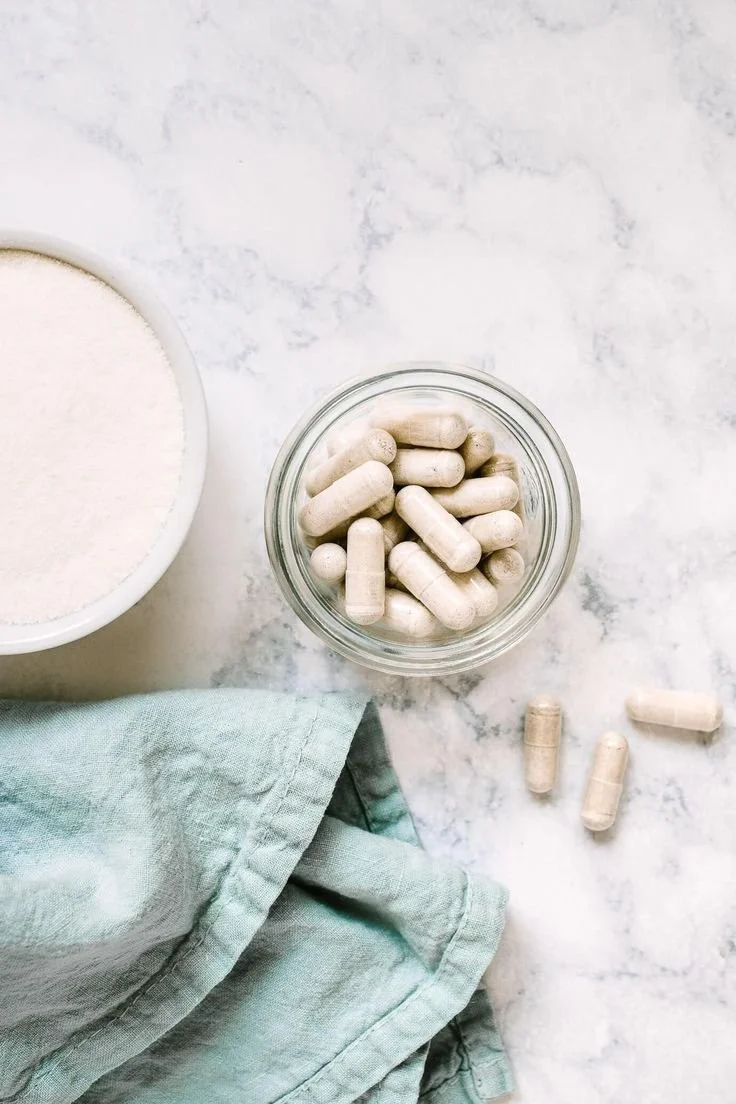
These Slippery Elm Capsules have been prepared as a simple, single-herb support, suitable for sensitive individuals and those seeking gentle digestive care.
Slippery elm is traditionally used to:
Soothe irritation of the oesophagus, stomach, and intestines
Support the repair of an inflamed or fragile gut lining
Ease symptoms associated with heartburn or reflux
Calm digestive discomfort linked to stress or sensitivity
Provide gentle nourishment to depleted digestive tissue
It is particularly valued where the digestive tract feels raw, reactive, or easily aggravated.
People often choose slippery elm when they experience:
Heartburn or reflux
A burning or irritated digestive sensation
Sensitivity to food or supplements
Digestive discomfort worsened by stress
Recovery after illness, medication, or cleansing
It may also be used alongside other herbal programmes to buffer and protect the digestive tract.
Take 1 capsule once or twice daily
Best taken between meals or before bed
Take with a glass of water
Slippery elm may be taken:
On its own
Alongside a parasite cleanse
With nervous system or colon support
Because of its soothing, coating nature, it is best taken separately from other medications (leave a gap of at least one hour).
Slippery elm does not stimulate digestion or elimination. Its role is to soothe, protect, and nourish, making it especially appropriate for people who are sensitive, depleted, or recovering.
This preparation reflects traditional herbal use and common digestive patterns seen in practice. It is not a personalised prescription and does not replace individual consultation where deeper or ongoing digestive issues are present.
Slippery elm (Ulmus rubra) has a long history of traditional use as a soothing and protective herb for the digestive tract. Rich in mucilage, it forms a gentle, demulcent layer that helps calm irritation and support repair of the gut lining.
These Slippery Elm Capsules have been prepared as a simple, single-herb support, suitable for sensitive individuals and those seeking gentle digestive care.
Slippery elm is traditionally used to:
Soothe irritation of the oesophagus, stomach, and intestines
Support the repair of an inflamed or fragile gut lining
Ease symptoms associated with heartburn or reflux
Calm digestive discomfort linked to stress or sensitivity
Provide gentle nourishment to depleted digestive tissue
It is particularly valued where the digestive tract feels raw, reactive, or easily aggravated.
People often choose slippery elm when they experience:
Heartburn or reflux
A burning or irritated digestive sensation
Sensitivity to food or supplements
Digestive discomfort worsened by stress
Recovery after illness, medication, or cleansing
It may also be used alongside other herbal programmes to buffer and protect the digestive tract.
Take 1 capsule once or twice daily
Best taken between meals or before bed
Take with a glass of water
Slippery elm may be taken:
On its own
Alongside a parasite cleanse
With nervous system or colon support
Because of its soothing, coating nature, it is best taken separately from other medications (leave a gap of at least one hour).
Slippery elm does not stimulate digestion or elimination. Its role is to soothe, protect, and nourish, making it especially appropriate for people who are sensitive, depleted, or recovering.
This preparation reflects traditional herbal use and common digestive patterns seen in practice. It is not a personalised prescription and does not replace individual consultation where deeper or ongoing digestive issues are present.